How to Honor Difficult Parents Without Going Back to the Old Patterns
What does it really mean to honor difficult parents? The difference between honor and obedience, 8 practical ways to honor them, and how to keep from slipping back into old patterns.
Choosing Your Spouse Over Your Parents: What the Bible Says
Is putting your spouse before your parents selfish, or even sinful? What the Bible says about leaving and cleaving, what it doesn’t ask of you, and how to honor your parents while putting your marriage first.
My Husband Won’t Stand Up to His Mother: A Christian Wife’s Guide
When your husband won’t stand up to his mother, it can feel like you’re competing for first place in your own marriage. Why it happens, what the Bible says, and how to get on the same team.
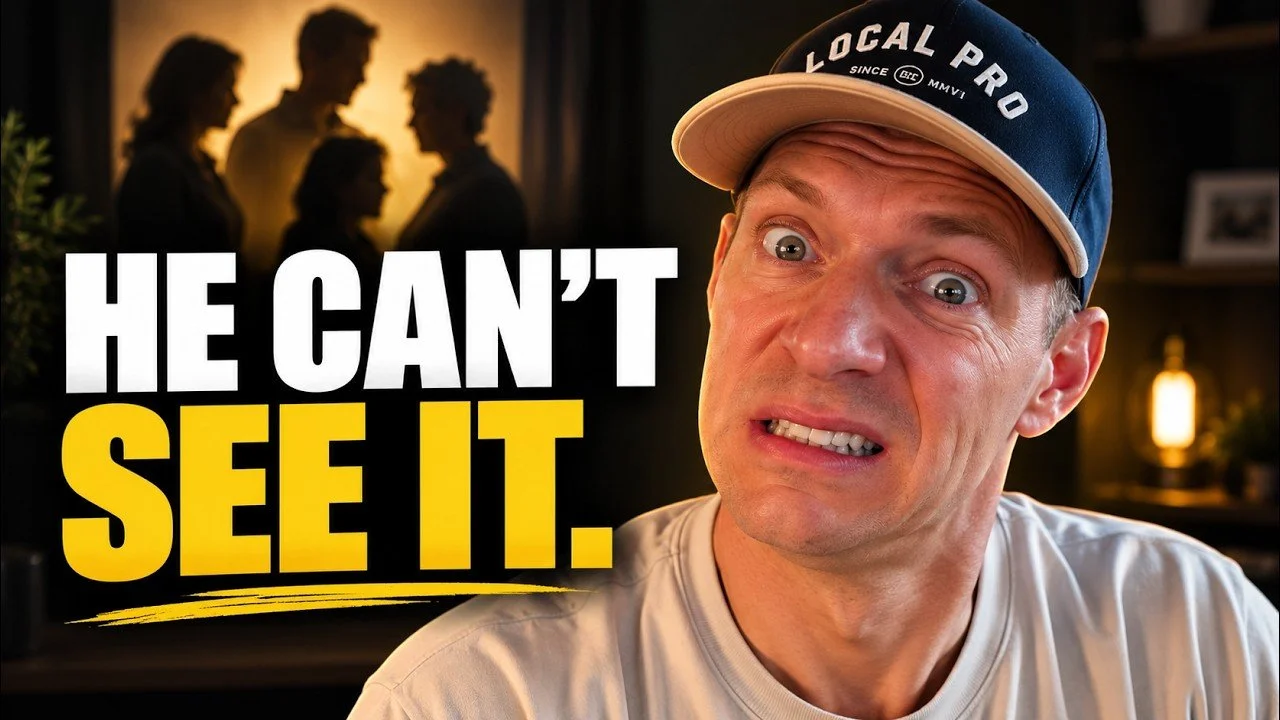
Why Dysfunctional Families Are So Hard for Your Spouse to See
“How do I get my husband to see how unhealthy his family is?” Why your spouse may not be able to see it, why labels start a loyalty contest, and how to talk about behavior and protect your marriage instead.
Why Estranged Adult Children Have Receipts
Estranged adult children often describe detailed patterns, while unhealthy family systems stay vague. Why specificity threatens the image, why estrangement often starts long before the distance shows, and how Christians can discern these stories wisely.
Why Dysfunctional Families Care More About Appearances Than Repair
Everybody smiles for the family photo, but nobody can talk about what happened. Why some families protect the image instead of healing, why the holidays become a battleground, and why messy repair beats beautiful denial.
When You’re the Only One Trying to Reconcile
How many more times are you supposed to knock on a door they won’t open? Why forgiveness can be one-sided but reconciliation can’t, signs of real repair, how to know you’ve tried enough, and how to leave the door open without standing in the doorway.
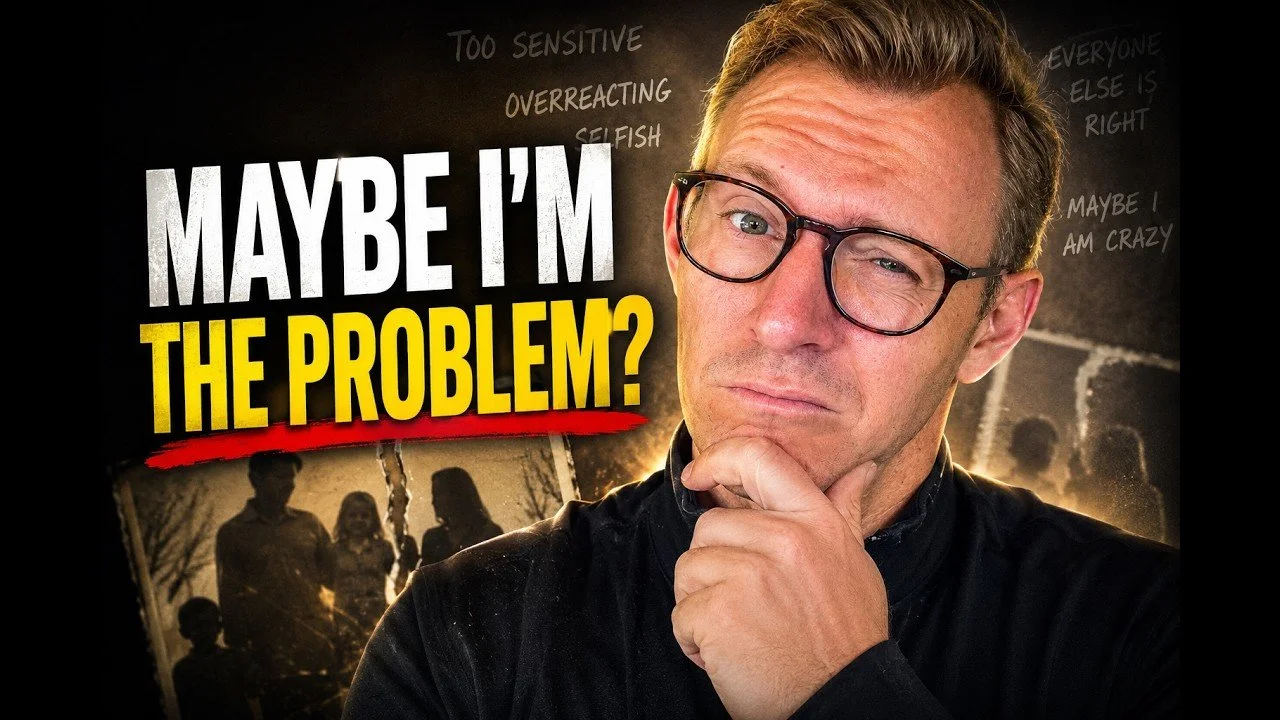
Why Dysfunctional Families Make You Doubt Yourself
“Maybe I really am the problem.” Why dysfunctional families make thoughtful people doubt themselves, the difference between humility and self-distrust, and practical ways to rebuild self-trust without deciding you’re always right.
Why Dysfunctional Families Demand Forgiveness Without Accountability
Why is the person who got hurt expected to fix everything? How families turn forgiveness into a reset button, why forgiveness, reconciliation, trust, and access aren’t the same thing, and what a real apology looks like.
Why Dysfunctional Families Call Boundaries “Betrayal”
You thought you were changing access. They experienced it as betrayal. Why dysfunctional families treat boundaries as disloyalty, what that reaction reveals, and what to do when your boundary is called betrayal.
Why Dysfunctional Families Rewrite History
“That never happened.” Why dysfunctional families rewrite history, how to tell normal memory differences from minimizing or gaslighting, and what to say when your family’s story and your memory no longer match.
Why Dysfunctional Families Protect the Most Difficult Person
Why do dysfunctional families tiptoe around the most difficult person, pressure the most reasonable one, and blame whoever finally sets a boundary? The difference between peace and appeasement, and how to care without carrying.
Why Dysfunctional Families Believe One Side of the Story
How does an entire family reach a verdict about a conflict most of them never witnessed? Family stories, triangulation, why simple stories spread, and four questions to ask before you try to set the record straight.
Why Dysfunctional Families Need a Golden Child
If a dysfunctional family needs someone to be the problem, it usually also needs someone to prove the family isn’t the problem. Why the golden child and the scapegoat are two sides of the same system, and how to step out of the role you were assigned.

Why Dysfunctional Families Turn Against the Person Who Tells the Truth
Have you ever named something unhealthy in your family and somehow become the problem for saying it? A 200-year-old children’s story explains why dysfunctional families turn against the truth-teller, and how to stop applauding the clothes without attacking the emperor.

Spiritual Abuse in Families: Signs, Examples, and How to Respond
Spiritual abuse happens when religious language, scripture, or authority is used to control, shame, or silence. Here’s how to recognize the signs — and respond with clarity and healthy boundaries.