7 Signs of Spiritual Abuse in Families and Churches (And Why It’s So Hard to See)
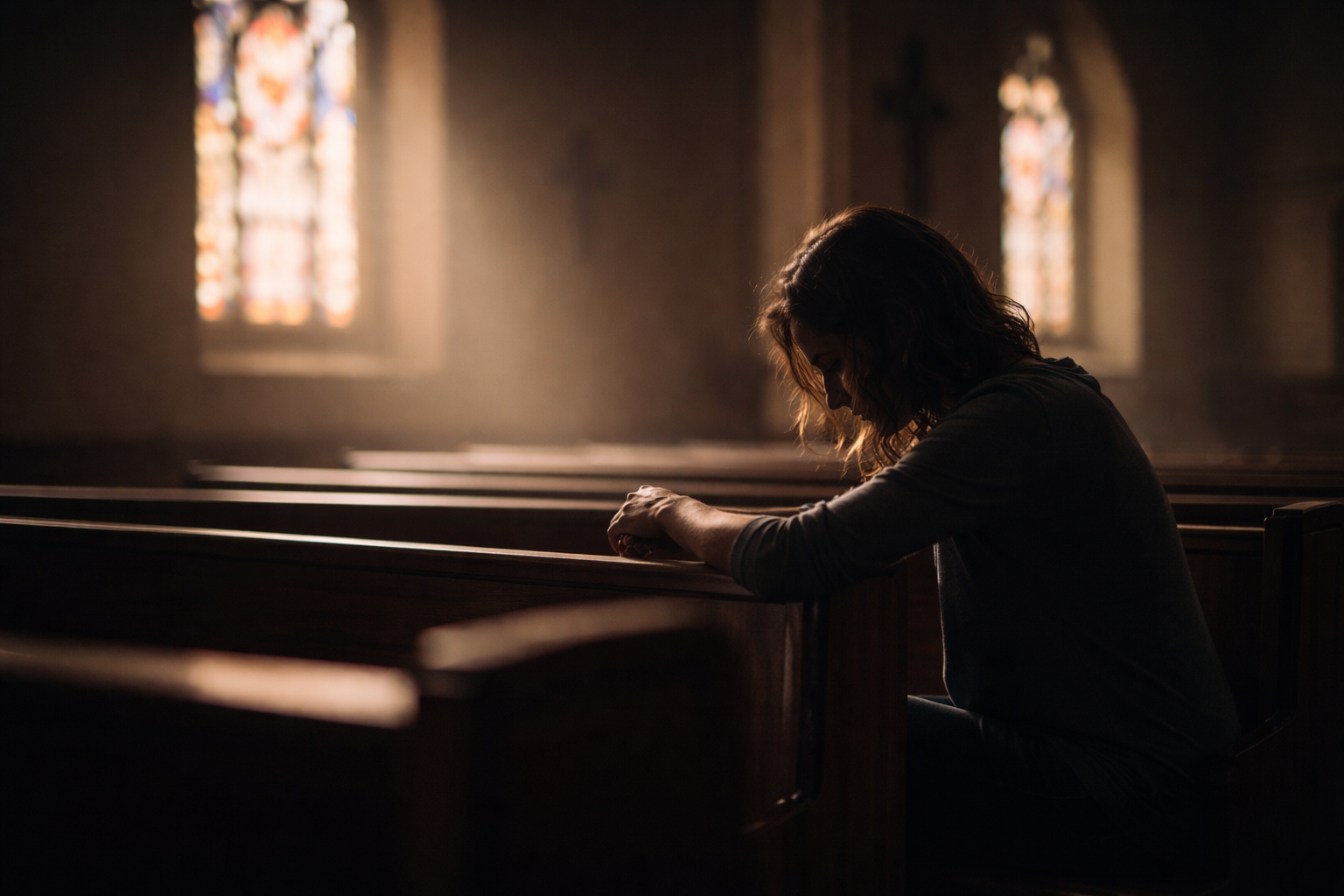
Spiritual abuse is one of the most confusing forms of harm a person can experience.
Not because it’s subtle…
but because it’s often wrapped in something good.
Faith.
Family.
Authority.
Belief.
Which means the very thing that’s supposed to bring peace…
can quietly become the thing that creates fear, confusion, and self-doubt.
And for many people, the hardest part isn’t what’s happening.
It’s not knowing if what’s happening is actually wrong.
What Is Spiritual Abuse?
Spiritual abuse happens when faith, scripture, or religious authority is used to control, silence, or manipulate someone.
It often sounds like:
“You’re being disobedient”
“You need to be more faithful”
“This is what God wants”
But underneath it, there’s usually something deeper:
👉 control over truth
👉 control over behavior
👉 control over identity
7 Signs of Spiritual Abuse
1. Truth Is Discouraged or Punished
When asking honest questions leads to:
shame
tension
consequences
That’s not spiritual growth.
That’s control.
2. Authority Cannot Be Questioned
Healthy leadership invites accountability.
Spiritual abuse creates a system where:
leaders are always right
questioning = rebellion
3. Guilt Is Used to Control Behavior
Instead of guiding with love, the system relies on:
guilt
fear
obligation
You don’t feel invited.
You feel pressured.
If this is resonating, we go deeper into this in our book—especially how to navigate these dynamics without losing your faith.
4. Loyalty Is Valued Over Honesty
You’re expected to:
protect the system
maintain appearances
stay quiet
Even when something feels off.
5. Image Matters More Than Integrity
Everything looks “good” from the outside…
But inside, there’s:
tension
confusion
emotional disconnection
6. Boundaries Are Framed as Sin or Rebellion
When you try to create space or clarity, you may hear:
“You’re being selfish”
“You’re breaking the family”
“That’s not Christlike”
But healthy boundaries are not rebellion.
They’re responsibility.
7. You Feel Fear Instead of Peace
This is often the clearest signal.
Instead of feeling:
grounded
safe
connected
You feel:
anxious
unsure
afraid of getting it wrong
And you start to question yourself.
Why This Is So Hard to Recognize
Because it doesn’t look like abuse.
It looks like:
faith
family
tradition
And when something is tied to your identity that deeply…
It’s incredibly difficult to separate:
👉 what’s true
👉 from what you’ve been taught to believe is true
What Healing Can Look Like
Healing doesn’t mean:
abandoning your faith
rejecting your family
burning everything down
Sometimes it simply begins with:
👉 telling the truth about what you’ve experienced
👉 allowing yourself to question what doesn’t feel right
👉 learning what healthy relationships actually look like
And slowly, over time:
👉 rebuilding your life on truth instead of pressure
If This Felt Familiar…
You’re not alone.
And more importantly—you’re not imagining it.
If something in this resonated with you, this is exactly the kind of work we go deeper into in our book:
👉 Read the first chapter here (for free)
👉 Or continue with the full book
