7 Signs You Were Raised by Emotionally Immature Parents
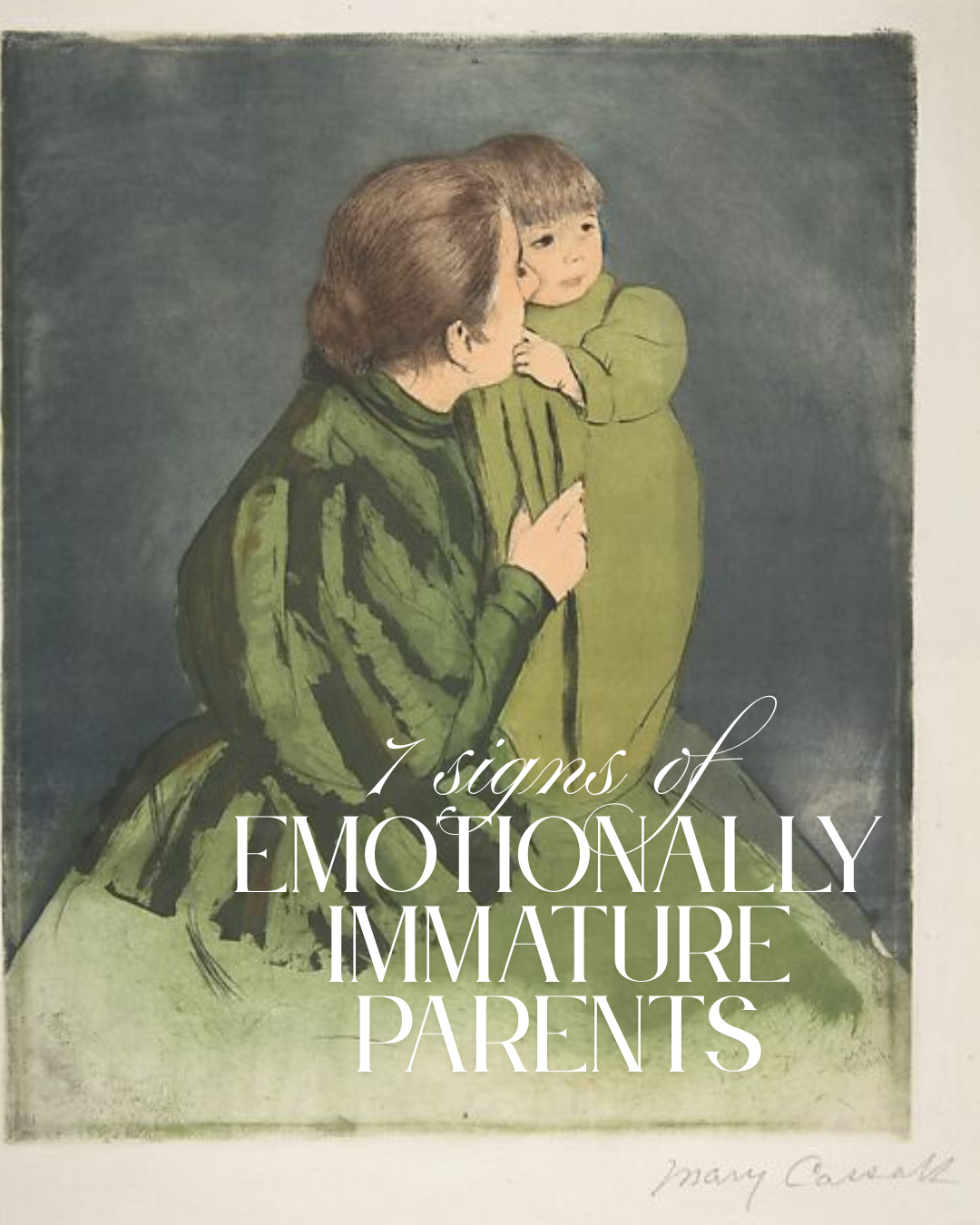
This classical illustration reflects the emotional dynamic that can exist between a parent and child when emotional maturity is lacking. Many adult children raised by emotionally immature parents experience confusion, invalidation, or difficulty resolving conflict within the relationship.
How Emotionally Immature Parents Affect Adult Children
Many adults reach a moment in life when something begins to feel off in their relationship with their parents.
Maybe conversations feel impossible.
Maybe conflict never gets resolved.
Maybe every attempt to talk about hurt somehow gets turned back on you.
For many people, the missing explanation is something psychologists call emotional immaturity.
This concept became widely recognized after the book Adult Children of Emotionally Immature Parents helped many people put language to experiences they had struggled to explain for years.
Emotional immaturity doesn’t necessarily mean parents didn’t love their children. But it does mean they may not have developed the emotional capacity needed to navigate conflict, accountability, and vulnerability in healthy ways.
Here are seven signs many adult children recognize when reflecting on emotionally immature parenting.
1. They Cannot Take Accountability
One of the clearest signs of emotional immaturity is the inability to say:
“I was wrong.”
Emotionally immature parents often experience accountability as humiliation rather than growth. When conflict arises, they may:
deny events
rewrite history
blame others
shift responsibility back onto the child
This creates a painful dynamic where adult children feel responsible for repairing relationships they did not break.
2. Your Feelings Are Treated as an Attack
Healthy relationships allow space for emotional honesty.
But emotionally immature parents often interpret vulnerability as criticism.
When adult children express hurt, the response may quickly become:
defensiveness
anger
withdrawal
guilt-tripping
Instead of curiosity, the parent reacts with protection.
Free Download
If this topic resonates with you, we made the introduction and first chapter of our new book free to read.
It’s for anyone who has struggled with family loyalty, betrayal, and the courage it takes to set healthy boundaries.
It explores:
• emotionally immature parents
• family loyalty and betrayal
• when boundaries become necessary
3. Conflict Is Avoided or Explodes
Emotionally mature people can sit with tension and work through disagreements.
Emotionally immature parents usually fall into two extremes:
• total avoidance
• explosive confrontation
In either case, resolution rarely happens.
Problems simply cycle over and over.
4. Image Matters More Than Relationship
In many emotionally immature families, appearance becomes more important than authenticity.
Maintaining the image of a good family matters more than addressing real pain.
This often leads adult children to feel like they must:
stay silent
minimize their experiences
protect the family narrative
5. Boundaries Are Seen as Betrayal
Healthy boundaries help relationships function with clarity and respect.
But emotionally immature parents often interpret boundaries as rejection.
When adult children begin setting limits, the reaction may include:
accusations of selfishness
spiritual guilt
pressure from extended family
attempts to regain control
6. Conversations Always Circle Back to Them
Emotionally immature parents struggle to hold space for someone else's experience.
Conversations often return to:
their feelings
their sacrifices
their interpretation of events
This can leave adult children feeling unseen.
7. Repair Rarely Happens
Every relationship experiences conflict.
What builds trust is repair.
Emotionally immature parents often skip repair entirely. Instead, they move forward as if nothing happened.
For adult children, this creates a deep sense of unresolved grief.
A Final Thought
Recognizing emotional immaturity in parents can be both clarifying and painful.
For many people, it answers questions they’ve carried for years:
Why did honest conversations always turn into conflict?
Why did accountability never seem possible?
Why did expressing hurt feel like betrayal?
Understanding these patterns is often the beginning of healing.
It allows adult children to begin separating their worth from the limitations of their parents' emotional capacity.
Continue Exploring
Understanding difficult family dynamics can be both clarifying and painful. Many adult children spend years trying to make sense of patterns that never seemed to have language before. Recognizing emotional immaturity, boundary violations, or cycles of denial is often the first step toward healing and clarity.
If this article resonated with you, you may also find these resources helpful:
• Why Some Parents Refuse Accountability
• What is Spiritual Abuse? Signs, Examples and How to Respond
You can also explore deeper conversations about faith, family systems, and emotional maturity on the CLEAVE Podcast, where we discuss these topics in more depth.
And if you’re navigating these dynamics in your own life and want thoughtful guidance, you can learn more about our Clarity Conversations and coaching sessions here.
You’re not alone in this journey. Many people are learning—sometimes for the first time—how to pursue truth, healing, and healthy relationships at the same time.
Frequently Asked Questions About Emotionally Immature Parents
What are emotionally immature parents?
Emotionally immature parents struggle to handle emotions in a healthy way. They may react defensively to criticism, avoid difficult conversations, prioritize their own feelings over their child’s, or lack empathy during emotional situations.
Many adult children of emotionally immature parents report feeling responsible for the parent’s emotional state growing up.
What are signs you were raised by emotionally immature parents?
Common signs include:
• conflict is avoided or escalates quickly
• emotional needs were dismissed or minimized
• the parent reacts defensively to feedback
• guilt or obligation is used to maintain control
• the child was expected to manage the parent's emotions
These patterns can carry into adulthood and affect relationships, boundaries, and self-trust.
Can emotionally immature parents change?
In some cases, yes — but meaningful change usually requires a willingness to reflect, accept feedback, and take responsibility for past behavior.
Unfortunately, many emotionally immature individuals struggle with self-reflection, which can make change difficult without outside support or therapy.
How do adult children heal from emotionally immature parents?
Healing often involves:
• understanding family dynamics
• learning healthy boundaries
• separating guilt from responsibility
• building emotionally safe relationships
• sometimes creating distance when necessary
For many people, the healing process begins when they recognize that the patterns they experienced growing up were not normal or healthy.
Is it normal for adult children to create boundaries with parents?
Yes. Boundaries are a normal and healthy part of adult relationships.
Boundaries do not mean rejecting a parent. Instead, they define what behavior is acceptable and what is not, allowing relationships to exist in a healthier and more respectful way.
If you’ve ever wondered whether something in your faith or family felt off…. read this 7 Signs of Spiritual Abuse
Ashley and I explore these themes in our new book about family loyalty, betrayal, and healthy boundaries.
You can read the introduction and first chapter free.
